


Guest Author: Paul Bright, Implementation Specialist, North Carolina High Fidelity Wraparound Training Program
As Wraparound professionals, we spend our days helping children, families, and communities discover their strengths and overcome challenges. We encourage caregivers to prioritize their well-being, ask for help, and build natural supports. But how often do we take our own advice?
The truth is, self-care isn’t something we should save for vacation. It’s not a luxury, and it isn’t something we earn after months of hard work. Daily self-care is essential if we want to consistently bring our best selves to the families we serve.
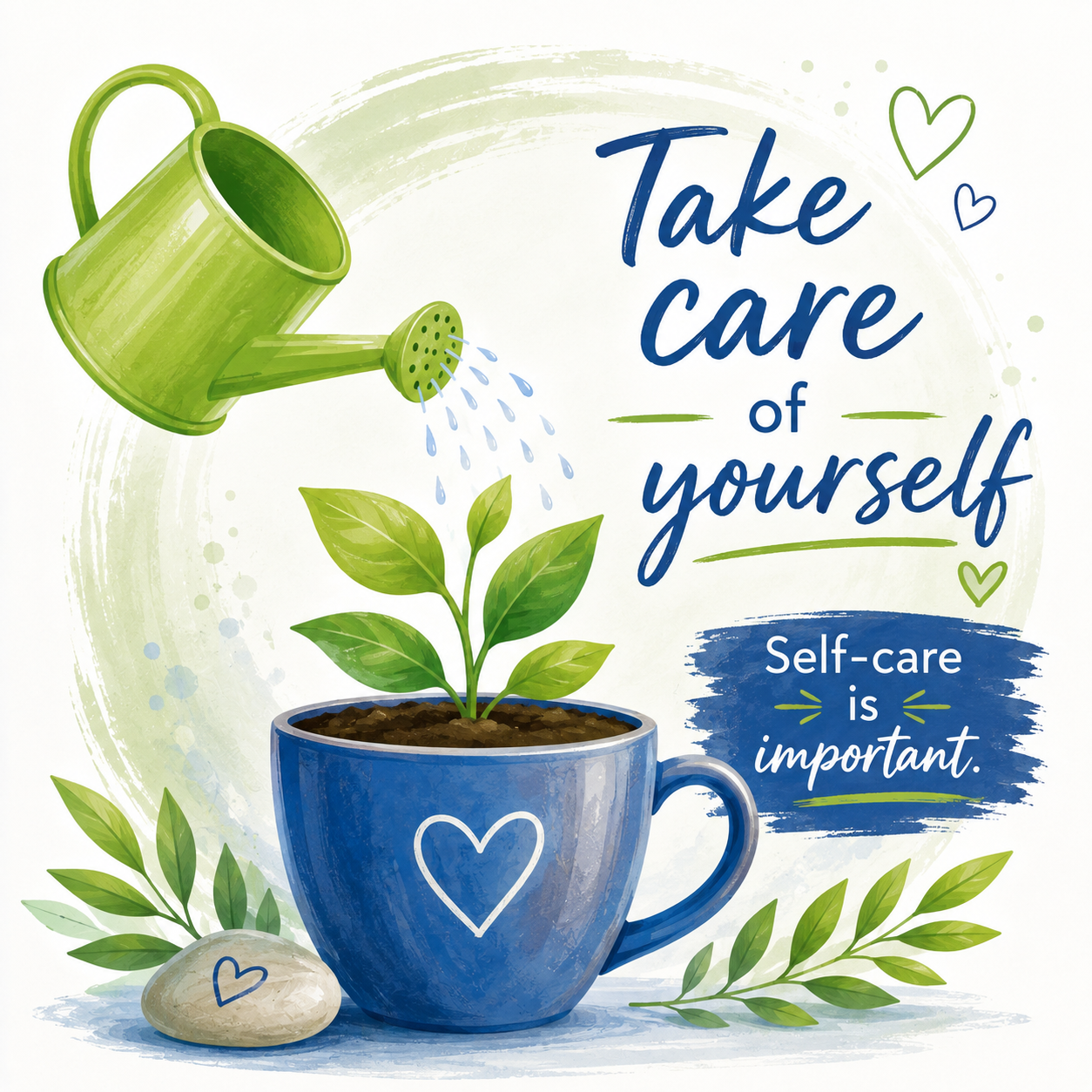
There’s an old saying: You can’t pour from an empty cup. The same is true in Wraparound. If we’re physically exhausted, mentally drained, or emotionally overwhelmed, we simply cannot provide the level of engagement, compassion, and creativity that families deserve.
When self-care becomes an afterthought, we don’t just feel the effects, our practice does too.
Think about our Wraparound principles:
- Persistence and Unconditional Care become difficult when we’re emotionally depleted and struggling just to make it through the day.
- Voice and Choice can unintentionally shift toward directing families instead of empowering them because we’re too exhausted to slow down and truly listen.
- Collaboration and Integration suffer when it’s easier to do everything ourselves rather than helping families build lasting natural supports and community connections.
The impact of burnout in Wraparound can be especially significant because relationships are at the heart of everything we do. Families don’t just need our knowledge, they need our presence, patience, encouragement, and hope.
If your “resting face” has slowly become your permanent face, it may be time to check in with yourself.
The good news? Self-care doesn’t require expensive retreats or weeks away from work. Small, intentional moments throughout the day can make a meaningful difference.
Practical Daily Self-Care Strategies
Whatever activity you choose, treat it like any other important appointment. Give yourself permission to be fully present. This isn’t the time to multitask or squeeze self-care between emails and phone calls.
Five-Minute Reset
- Arrive early to an appointment and park in a discreet place where you can listen to a “hype up” or “calm down” song in your car.
- Engage in regulated breathing exercises. Inhale to a four-count through the nose, hold your breath for a two-count, then exhale for a four-count through your mouth. For each cycle, try to inhale and exhale a little deeper.
Ten-Minute Recharge
- Take a stretch break outside of the office and away from your desk. Do meaningful stretches, from the top of your head to your toes. Rotate and move every conceivable muscle group you have to promote circulation and blood flow throughout!
- Set a timer and watch a few short videos of something that is guaranteed to make you laugh…and laugh without shame.
Thirty-Minute Transition
- Don’t go straight home or straight to errands after work. Make a purposeful detour to a park, a strip mall, or anywhere else BUT home and engage in your surroundings. Wherever you choose, it will serve as a transition from work life to home life.
- Eat lunch away from the office with a coworker or friend, but both of you pinky swear not to talk about work. You can even pick the subject matter ahead of time!
Model the Model
Families notice far more than the services we provide, they notice how we show up.
When we prioritize our own well-being, we’re modeling healthy boundaries, resilience, balance, and intentional living. We demonstrate that caring for ourselves is not selfish; it’s part of being effective helpers.
If you’ve ever caught yourself saying, “I don’t have time for self-care,” consider this: you probably don’t have time not to.
Being intentional about daily self-care allows you to bring your best self to every family, every conversation, and every opportunity to make a difference.
Because when we care for ourselves, we’re better equipped to care for others.
About the Author
Paul Bright is an Implementation Specialist for the North Carolina High Fidelity Wraparound Training Program. He is also a certified coach in sleep science, mind-body fitness, and corporate wellness, helping individuals and organizations build healthier, more sustainable approaches to personal and professional well-being. Paul can be contacted at [email protected]

Leave A Comment